Essential Tips for Small Business Web Design
In today's digital-first economy, your website is much more than a virtual business card. It is your 24/7 storefront, your most dedicated sales representative, and often the first point of contact between you and your future customers. Whether you run a bustling local bakery or an emerging tech consultancy, high-quality small business websites are absolutely non-negotiable.
Effective small business website design builds immediate trust, captures high-quality leads, and directly drives revenue. However, creating a digital presence that actually moves the needle requires a thoughtful strategy, an understanding of your audience, and the right technical foundation.
If you are stepping into the digital arena or looking to revamp an outdated site, this guide will walk you through the core principles of small business web design. We will cover everything from choosing the right platform and establishing an effective budget to vetting the right professionals for the job.

The Core Elements of a High-Performing Website
Before you start interviewing agencies or looking at color palettes, you need to understand what makes a website function successfully. A visually stunning site is useless if it frustrates users or remains invisible to search engines.
Prioritizing User Experience and Mobile Responsiveness
The foundation of any successful online presence is how users interact with your site. Applying user experience design best practices for startups means keeping things intuitive, fast, and frictionless. Your navigation menu should be straightforward, and your visitors should be able to find what they are looking for within three seconds of landing on your page.
Furthermore, with over half of all global web traffic coming from smartphones, implementing mobile responsive design for small companies is no longer optional. A responsive design automatically adjusts your layout, images, and text to perfectly fit any screen size, ensuring that a customer browsing on their phone has the same seamless experience as someone on a desktop computer.
Incorporating Must-Have Features
Effective small business web page design requires purposeful elements tailored to your specific audience. If you operate a brick-and-mortar store or serve a specific geographic area, you must include essential website features for local businesses.
Make sure your site features:
- Clear NAP Information: Your Name, Address, and Phone number should be easily visible, ideally in the header or footer.
- Click-to-Call Buttons: Essential for mobile users who want to contact you instantly.
- Embedded Google Maps: To help foot traffic find your physical location.
- Trust Signals: Client testimonials, industry certifications, and secure checkout badges.
- Clear Calls to Action (CTAs): Tell your visitors exactly what to do next, whether it's "Request a Quote," "Book an Appointment," or "Shop Now."
Structuring for Search Engines
A beautiful website is only effective if people can actually find it. Setting up an SEO friendly web architecture for beginners involves organizing your pages logically so that Google's search bots can easily crawl and understand your content.
Keep your URL structures clean (e.g., yourdomain.com/services/plumbing instead of yourdomain.com/p=123). Create a clear hierarchy where your main categories branch out into specific sub-categories. This logical flow not only boosts your search engine rankings but also keeps users on your site longer.
Navigating Platforms and Technology
When making a website for a small business, one of the biggest hurdles is deciding which technology to use. The platform you choose will dictate your site's flexibility, scalability, and ongoing maintenance needs.
Finding the Right Foundation
You will generally face a choice between custom wordpress development vs website builders like Wix or Squarespace.
- Website Builders: These are excellent for micro-businesses with very limited budgets. They offer drag-and-drop interfaces that make getting online incredibly fast. However, they can be rigid, making it difficult to scale or add highly custom features later.
- Custom WordPress Development: WordPress powers over 40% of the internet for a reason. While it requires a steeper learning curve (or professional help), it offers limitless customization. As your business grows, a custom WordPress site can grow seamlessly alongside it, integrating with nearly any third-party software you might need.
Selling Online
If your primary goal is selling physical or digital products, you need a specialized platform. Researching the top rated ecommerce platforms for small retailers will quickly point you toward solutions like Shopify or WooCommerce. Shopify is a fully hosted, user-friendly platform ideal for getting retail operations off the ground quickly, while WooCommerce (a WordPress plugin) offers deep customization for those who want total control over their online store's functionality.
Budgeting and Finding the Right Partner
Understanding the financial investment required for a professional website is crucial for managing your expectations and your cash flow.
Understanding the Investment
What is the average cost of small business web design? The truth is, it varies wildly. A simple brochure website might cost between $1,500 and $3,000, while a custom, feature-heavy e-commerce site can easily range from $5,000 to $15,000 or more.
If capital is tight, look for agencies offering affordable web design packages for startups. These packages often use pre-designed templates that are customized with your brand colors and copy, significantly reducing the required development time and cost without sacrificing professionalism.
Who Should Build It?
When deciding who will bring your vision to life, you will likely weigh the pros and cons of freelance web designers vs full service agencies.
- Freelancers: Typically more affordable and offer direct, one-on-one communication. They are great for simpler projects. However, a single freelancer might be an incredible designer but lack advanced coding or SEO skills.
- Full-Service Agencies: Agencies cost more but bring an entire team of specialists to the table-copywriters, UI/UX designers, developers, and SEO experts. If your project is complex, an agency is usually the safer bet.

How to Vet the Right Web Design Company
Partnering with the right team is the most critical decision you will make. When searching for the best website design companies for small business, you must look beyond flashy sales pitches.
Evaluating the Work
Learning how to choose a web design agency requires a critical eye. Start by thoroughly evaluating web design portfolios and case studies.
Don't just look at whether the websites are pretty. Ask yourself:
- Do they have experience in my specific industry?
- Do the case studies share tangible results, such as increased traffic or higher sales?
- Are the sites in their portfolio fast, mobile-friendly, and easy to navigate?
Reach out to some of their past clients if possible. A reputable agency will gladly provide references.
Protecting Your Investment
Before signing on the dotted line, you need to be hyper-aware of web design contract red flags to watch for.
- Ownership Clauses: Ensure the contract explicitly states that you own the website, the design assets, and the domain name once the final payment is made. Some less scrupulous agencies try to retain ownership to hold clients hostage.
- Proprietary CMS Lock-in: Avoid agencies that force you to use their own custom-built Content Management System. If you ever leave the agency, you will likely have to rebuild your site from scratch. Always opt for open-source platforms like WordPress.
- Hidden Fees: Ensure that costs for hosting, premium plugins, and post-launch bug fixes are clearly outlined.
Beyond the Launch: Growth and Maintenance
A successful digital strategy doesn't end on launch day. In fact, that is merely the beginning. Comprehensive web design services for small business should always include a plan for what happens after the site goes live.
Driving Traffic and Conversions
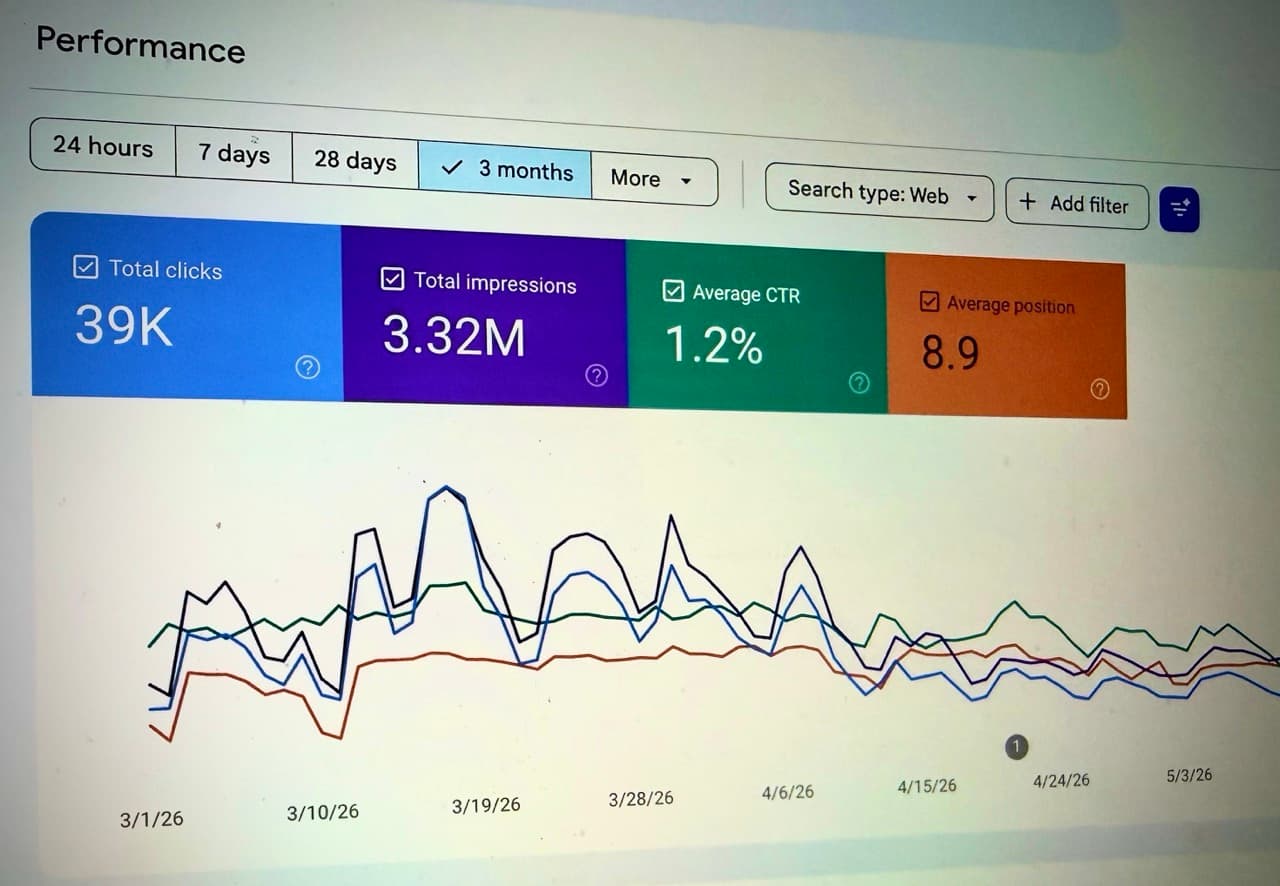
Once your site is up, it needs to work as part of your broader business strategy. Integrating digital marketing with new website design ensures your site is connected to the right tools. This includes setting up Google Analytics to track visitor behavior, integrating your email marketing software for lead capture, and installing tracking pixels for future social media ad campaigns.
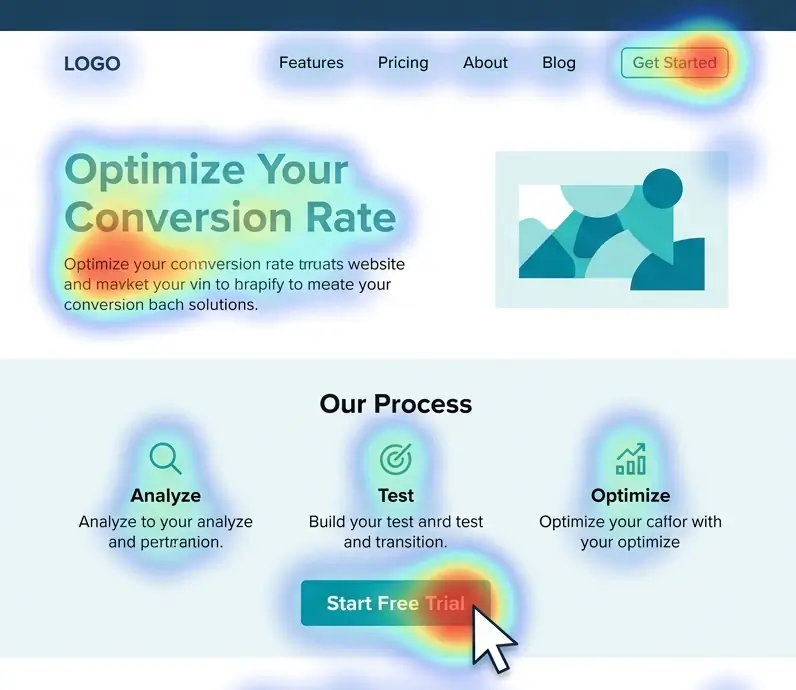
Furthermore, driving traffic is only half the battle; you must turn those visitors into paying customers. This requires ongoing conversion rate optimization for small business sites. By continuously A/B testing different headlines, button colors, and page layouts, you can incrementally increase the percentage of users who take a desired action, maximizing your return on investment.
Keeping Your Site Secure and Updated
Finally, the internet is constantly evolving. Software updates, new browser versions, and emerging security threats require continuous vigilance.
Investing in website maintenance services for entrepreneurs is highly recommended. These services typically include daily backups, plugin updates, security monitoring, and speed optimization. Knowing that a professional is keeping your digital storefront secure allows you to focus on what you do best: running and growing your business.
Final Thoughts
Building a website is a vital investment in your company's future. By focusing on essential user experience features, selecting the right technology, and knowing how to hire the right professionals, you can launch a site that not only looks exceptional but performs brilliantly. Take your time, ask the right questions, and choose partners who understand your specific business goals. Your bottom line will thank you.