Readex Pro Font
Designed by Thomas Jockin, Nadine Chahine, Bonnie Shaver-Troup, Santiago Orozco, Héctor Gómez
On Google Fonts since 2021 • Popularity #250
Quick Summary
6
Styles
200-700
Weight Range
2
Variable axes
4
Languages / Subsets
© 2019 The Readex Pro Project Authors
Font Preview
What's That Font? Find Google Fonts Like Readex Pro
If you've come across a sans-serif font similar to Readex Pro and can't name it, upload your image and we'll match it to the closest free Google Font in seconds.
What's That Font?About Readex Pro Fonts
Could a new typeface make it easier for the more than 400 million Arabic speakers around the world to read?
Type designers Dr. Nadine Chahine and Thomas Jockin joined forces to find out. They created Readex Pro in Arabic using the methodology behind Lexend, made for Latin. The name Readex was chosen as a shortened form of “reading expanded.”
When Dr. Bonnie Shaver-Troup started the Lexend project, her goal was to help people to read more easily and fluently by reducing visual noise. The Lexend fonts have distinct letterforms, and offer the option to widen tracking (the spacing between letters) together with widening the shapes of individual letterforms themselves. This novel functionality is based on a theory known as the “Shaver-Troup Formulation,” which was described in detail in a 2003 USA patent application.
To learn more, read The Design of Readex Pro (English) and خط Readex Pro: استكشاف حدود سهولة قراءة النص من خلال خط عربي جديد (Arabic)
Who Designed Readex Pro?
View all designers
Thomas Jockin is a typeface designer and founder of TypeThursday.
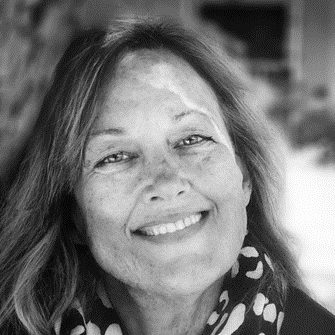
Bonnie Shaver-Troup, EdD, the creator of the Lexend project, is focused on making reading easier for everyone. As an educational therapist, Bonnie created the first Lexend typeface in early 2001 aiming to reduce visual stress and to improve reading performance for those with dyslexia and other struggling readers. Today, Bonnie's goal is to make the Lexend fonts accessible to a larger spectrum of users thanks to the support of many talented collaborators.

Santiago Orozco is a type designer and engineer, based in Monterrey, Nuevo León, México. With a background in computer science at the University of Monterrey (UDEM), he found himself at the intersection between design and technology. In 2009, he Founded Typemade Foundry, and now specializes in type design, font production, and type technology.
Similar sans-serif Fonts
Roboto

Christian Robertson, Paratype, Font Bureau
Open Sans

Steve Matteson
Google Sans

Noto Sans JP
Montserrat
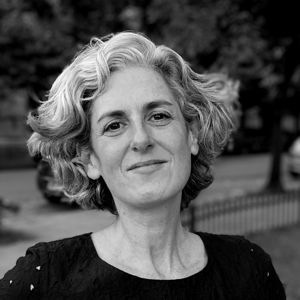
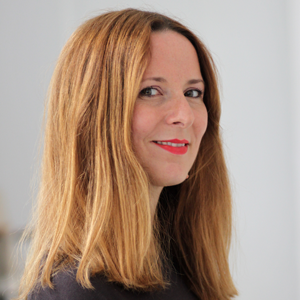

Julieta Ulanovsky, Sol Matas, Juan Pablo del Peral, Jacques Le Bailly
Inter
Rasmus Andersson